
UnityPoint Health - St. Luke's Heart Care Clinic

Information
Number of patients waiting reflects the current number of patients waiting to be seen. This number changes frequently and is not exact.

St. Luke's Heart Care Clinic
As the largest and most advanced cardiology team in Cedar Rapids, St. Luke’s treats more heart patients and offers more treatment options than any other heart and vascular program in the area.
St. Luke’s cardiology team includes specially trained structural and interventional cardiologists who repair defects and disorders of the heart’s structure. It also consists of experts with advanced training in cardiac imaging, as well as electrophysiologists, who implant pacemakers, defibrillators and perform ablation procedures to correct heart rhythm problems (atrial fibrilation).
Many of St. Luke’s cardiologists have served Eastern Iowa for decades and are known for being on the cutting edge of heart care. Their dedication to researching new treatments, techniques and procedures demonstrates their commitment to patients, as they lead the way with less-invasive treatment options that reduce recovery time and improve quality of life.
Appointments & Referrals
To see a cardiology specialist call St. Luke’s Heart Care Clinic at (319) 364-7101, or contact your primary care provider for a referral. If you are a referring provider, please print and complete the applicable form and fax it to clinic using the number at the top of the form.
Specialty Programs
Living with heart failure? St. Luke’s Heart Failure Clinic offers the tools you need to feel better. We'll teach you how to recognize the signs and symptoms of heart failure so you can monitor yourself at home.
Part of St. Luke’s Heart Care Clinic, our providers help patients with heart failure reduce unnecessary visits to the emergency room, prevent hospitalization and live a more full and productive life.
Services
Heart failure is serious and requires immediate medical attention, but it shouldn't require frequent trips to the hospital. Our goal is to keep your heart healthy enough to manage problems before they become emergencies. To do this, we:
- Provide follow-up services to continue the care, education and encouragement you received during a hospital stay as you transition home. You'll see the same nurse practitioner who cared for you in the hospital.
- Help you better understand heart failure so you can monitor the signs and symptoms at home.
- Adjust medications to decrease symptoms and improve heart function.
- Closely evaluate your physical health and other factors that may be affecting how you feel.
- Communicate with your doctor and others on your healthcare team.
- Connect you with other healthcare resources, such as social workers, home care, pharmacists, exercise experts and counselors.
- Work closely with you and your family, offering longer appointments than a normal outpatient physician visit, to ensure you have the information you need and understand it.
How to Make an Appointment
Every patient hospitalized at St. Luke’s who has received a discharge diagnosis of heart failure is seen by Heart Failure Clinic staff three to five days after leaving the hospital. In addition, a doctor or cardiologist can refer patients to the Heart Failure Clinic for evaluation. If you think the clinic can help you, ask your attending doctor at the hospital or your primary care provider for a referral to St. Luke’s Heart Care Clinic.
Designed for patients with heart murmurs or heart valve diseases, the Heart Valve Clinic is a program that provides comprehensive diagnostics and customized treatment for valvular heart disease before it becomes serious or fatal. The Heart Valve Clinic is led by cardiologists who specialize in structural heart care and involves a multidisciplinary team of advanced practice providers, radiologists, general cardiologists, interventional cardiologists and heart surgeons.
Benefits & Services
- Nationally accredited imaging labs
- Treatment options such as medical therapy and anticoagulation medications
- Valve interventions including repair or replacement
- Second opinions concerning valve diagnoses, severity, timing and type of recommended interventions
- Continued follow-up care
- Patient and family education, support and care
How to Make an Appointment
To enlist the services of the Heart Valve team, talk to your primary care provider for a referral to St. Luke’s Heart Care Clinic.
Patients experiencing the following symptoms are ideal candidates for evaluation:
- Shortness of breath with activity
- Dizziness
- Chest pain
- Cardiac murmur
- Persistent fatigue
St. Luke’s Heart Care Clinic Locations
Patient accessibility is a priority for St. Luke’s heart care team. A larger practice with more cardiology providers means patients have better access to a heart specialist. Additionally, St. Luke's cardiologists and trained staff travel to other communities to bring heart care consultation and cardiac diagnostic services to you, so there's no need to travel.
When you need a heart doctor, turn to the largest and most specialized team of cardiologists in the area, St. Luke's – Cedar Rapids' Heart Hospital.
Call St. Luke’s main Heart Care Clinic in Cedar Rapids at (319) 364-7101 to connect with a heart care provider at any of these locations, or search for a provider.
Directions to St. Luke's Heart Care Clinics
Cedar Rapids – PCI Medical Pavilion
202 10th St. SE, Suite 225, Cedar Rapids, IA 52403
Get DirectionsOur Providers
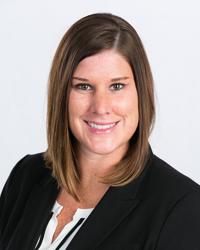
Kiley Schroeder, ARNP, MSN
Cardiology
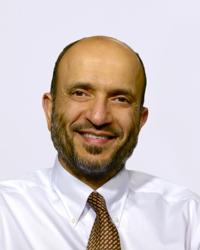
Hisham Wagdy, FACC, MD
Nuclear Cardiology, Cardiology

Kiyla Caviness, ARNP, FNP-C
Heart Failure, Cardiology

Katie Maybanks, DNP
Structural Heart Disease Cardiology, Cardiology

Richard Kettelkamp, DO
Interventional Cardiology, Structural Heart Disease Cardiology, Cardiology
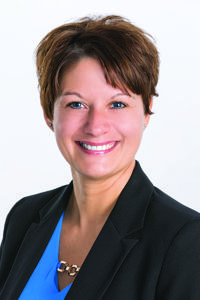
Tiffany Ehlers, ARNP, MSN
Cardiology

Keith Kopec, MD
Cardiology
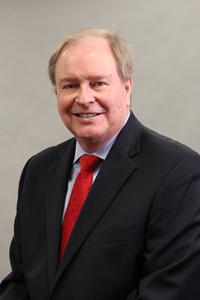
Todd Langager, MD
Cardiology

Sahith Reddy Thotamgari, MD
Cardiology, Cardio-Oncology
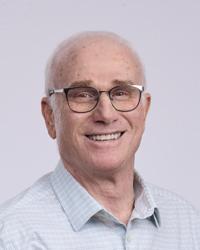
Subhi Halawa, MD
Nuclear Cardiology, Interventional Cardiology, Cardiology

Sara Current, ARNP, FNP-C, MSN
Cardiology
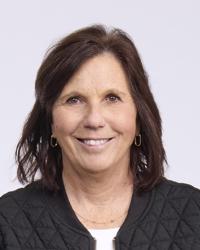
Diane Hoover, ARNP
Cardiology

Laila Payvandi, MD
Cardiology

Fahed Al Darazi, MD
Cardiology

Bridget Otto, ARNP
Cardiology
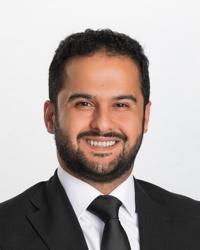
Mohammad Alshami, MD
Nuclear Cardiology, Cardiology

Michele Tangeman, DNP, ARNP
Heart Failure, Cardiology

Boothapuri Venkatesh, FACC, MD
Cardiology
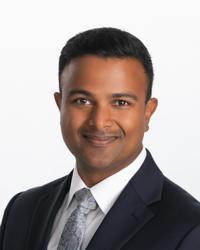
Antony Anandaraj, MD
Heart Failure, Nuclear Cardiology, Interventional Cardiology, Cardiology
Ankur Vyas, MD, MS
Interventional Cardiology, Cardiology
Our Services
-
Heart & Vascular Care
St. Luke's Heart & Vascular CareHeart & Vascular Care
-
Electrophysiology
St. Luke’s Cardiac ElectrophysiologyElectrophysiology
-
Cardiac Rehabilitation
St. Luke’s Cardiac RehabilitationCardiac Rehabilitation
-
Vascular Surgery
St. Luke's Vascular SurgeryVascular Surgery
-
Heart & Lung Surgery
St. Luke's Heart and Lung SurgeryHeart & Lung Surgery
Heart Attack and Stroke Educational Resources
Heart disease and stroke are leading causes of death in the U.S. with someone experiencing a heart attack or stroke every 40 seconds. Knowing the warning signs can save a life. Similarly, quick action during cardiac arrest can double or triple someone's chance of survival. Learn how to perform CPR, how to use an AED and how to recognize heart attack and stroke warning signs and risk factors.