
UnityPoint Health - St. Luke’s Heart and Vascular - Downtown
Information
Number of patients waiting reflects the current number of patients waiting to be seen. This number changes frequently and is not exact.

Heart and Vascular Care in Sioux City
Our outpatient services and screenings are available in two convenient locations: St. Luke's Cardiology Services at Sunnybrook Medical Plaza and the Heart and Vascular Center Downtown.
- To schedule a heart screening or other outpatient procedures at Sunnybrook Medical Plaza, call (712) 279-7979.
- For services provided at the Heart and Vascular Center Downtown, call (712) 294-7020.
Please note some procedures may require a physician referral.
Heart attacks can happen fast. One day you are living life and the next day you might be fighting for it. In the life-changing moments that require expert medical attention, turn to Siouxland's highest rated heart team, UnityPoint Health – St. Luke's Cardiology Services.
If you think you are having a heart attack, please call 9-1-1.
Heart and Vascular Center Downtown
At St. Luke's Heart and Vascular Center in Sioux City, our team of experienced cardiologists, cardiothoracic surgeons and vascular specialists deliver comprehensive cardiovascular care in a state-of-the-art facility. Our integrated center includes:
- Physician clinics
- Diagnostics
- Cardiac rehabilitation
- Catheterization lab
- Electrophysiology lab
St. Luke's cares for heart patients in dedicated electrophysiology (EP) and cardiac catheterization labs. Just steps away from St. Luke's – Downtown Emergency Department (ED), the location of our labs is one of the reasons our door-to-balloon times are faster than the national average. This means less time is needed between the patient's arrival in the ED to when he/she is moved to the cardiac cath lab to receive heart care.
In the end, this means less heart muscle will be lost and the patient's outcome will be better.
We're ready to care for you 24 hours a day, 7 days a week with treatment options perfect for your individual needs. Treatment may include non-surgical procedures like angioplasty and stents, which can open blocked arteries in a less invasive way. Some patients are referred for electrophysiology (EP) services, which enhance a person's ability to study and treat patients with abnormal heartbeats without major surgery.
And cardiac diagnostic tests like holter monitoring, echocardiograms and stress tests assess your heart health and identify cardiovascular disease. Many of these procedures are performed on a convenient, outpatient basis.
While many patient procedures can be performed on an outpatient basis, there are some procedures that call for added patient monitoring and care. For these patients, we offer a dedicated coronary care unit on UnityPoint Health – St. Luke’s – Downtown’s sixth floor.
The unit is staffed with health care professionals trained specifically in coronary care, providing expert, compassionate care for patients in critical recovery after a heart procedure.
For patient's outside the Sioux City area, St. Luke's Cardiology Services provide services in a dozen Iowa and Nebraska outreach locations. On the road care is coordinated for efficiency and quality so you regularly have access to a cardiology technician. Remote services are performed at the hospital closest to you for patient convenience. The non-invasive studies include Echocardiography, Stress Tests, Vascular Doppler Studies and Holter Monitors.
EKGs are conveniently taken at your local hospital for diagnosis of abnormal rhythms and damage to heart muscle. Tests are transmitted by phone line to St. Luke's, then interpreted with 24-hours by one of our expert cardiologists. Reads requested on a stat basis are immediate. The EKG is stored in our archival system for patient security.
We offer the latest cardiology and vascular technology to help you maintain a heart healthy lifestyle.
Know your risks for common heart problems and stroke. Detect and repair problems before they turn into life-changing events by taking preventive health screenings such as our heart screenings. Call (712) 294-7020 to schedule your heart screening.
$112 Package
- Carotid ultrasound
- Ankle Brachial Index (ABI)
- Mini history and risk assessment
- Blood pressure check
- AAA ultrasound
Add-On Options
- CT calcium scoring: $150
- EKG: $40
No physician referral is required. All studies are interpreted and under the direction of St. Luke's physicians and adhere to the same quality standards as other testing at St. Luke's. Visit the American Heart Association to learn more about optimal cardiovascular health and the recommended screenings.
Meet Our Providers

Jerome Pierson, MD, FACC
Cardiology
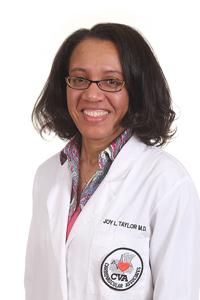
Joy Taylor, MD
Cardiology

Jon Peacock, MD, FACC
Cardiology
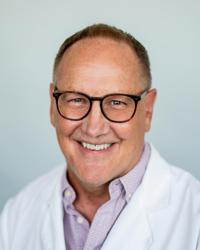
Jeffrey Sykes, MD, FACC
Cardiology

Kayla McCrill, DNP
Heart Failure, Cardiology
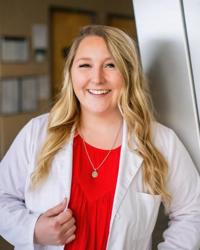
Kayla Folsom, ARNP
Cardiology
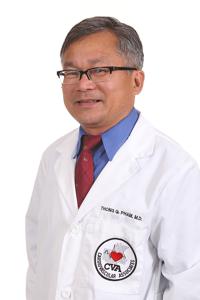
Thong Pham, FACC, MD
Electrophysiology

Kathryn Haack, ARNP
Cardiology

Annalisa Cunningham, ARNP
Cardiology
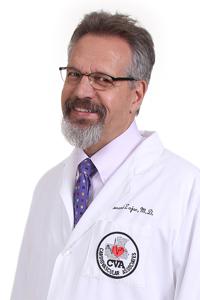
Edward Zajac, FACC, MD
Cardiology

Amy Lynde, ARNP
Cardiology

Victoria Barkley, ARNP
Cardiology

Brenda Nyatanga, MD
Cardiology

Nabil Braiteh, MD
Cardiology, Interventional Cardiology

Nicole Batcheller, ARNP
Cardiology

Curtis Hoogendoorn, ARNP
Cardiology
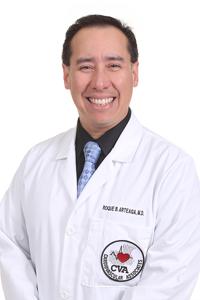
Roque Arteaga, MD, FACC
Electrophysiology
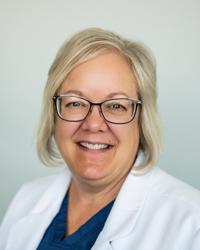
Teresa Muller, ARNP
Cardiology

Raviteja Devalla, MD
Vascular Surgery
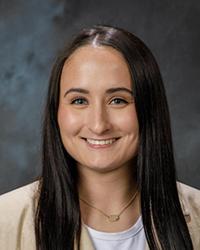
Olivia Becker, PA-C
Cardiology, Electrophysiology
Patient Tools
We’re upgrading to MyUnityPoint. Starting March 29, MyUnityPoint is your patient portal for managing appointments, viewing records and communicating with your care team.
Access Your Records From Before March 29
Legacy portals have now been decommissioned. Call (877) 448-1721 to request access to historical records.
Heart Attack and Stroke Educational Resources
Heart disease and stroke are leading causes of death in the U.S. with someone experiencing a heart attack or stroke every 40 seconds. Knowing the warning signs can save a life. Similarly, quick action during cardiac arrest can double or triple someone's chance of survival. Learn how to perform CPR, how to use an AED and how to recognize heart attack and stroke warning signs and risk factors.
