
TAVR (Transcatheter Aortic Valve Replacement)

What is a TAVR?
A TAVR is Transcatheter Aortic Valve Replacement, which is a minimally invasive, catheter-based procedure to replace the aortic valve in a patient with severe aortic stenosis.
The aortic valve is one of four valves in the heart. It opens when the heart is squeezing to let the blood flow to the whole body and closes when the left ventricle is relaxing and filling with blood. Stenosis refers to the inability of this valve to open well, even if the left ventricle is working properly.
Before TAVR was developed, the aortic valve was replaced with open-heart surgery. Now, we make an incision in the groin, access an artery that is connected to the heart and place a tissue valve inside your previous valve.
Symptoms of Aortic Valve Stenosis
This usually leads to symptoms with exertion, such as shortness of breath, chest discomfort or dizziness. Left untreated, aortic valve stenosis can lead to more serious heart problems. There is no medication currently that will slow the progression of this disease or cure it. Milder cases of stenosis are monitored by your heart doctor, and the only definitive treatment is heart valve replacement when the stenosis becomes severe.
TAVR versus SAVR
There are two main surgical options for replacing a damaged aortic valve:
- TAVR (Transcatheter Aortic Valve Replacement): a minimally invasive procedure
- SAVR (Surgical Aortic Valve Replacement): requires the chest to be opened, the heart temporarily stopped and a heart-lung bypass machine used while the surgeon replaces the valve directly.
Both are effective treatments, but they differ in approach, recovery and indication.
TAVR was originally developed for patients who were too high-risk for open-heart surgery, but it's now approved for patients of all risk levels. SAVR remains an excellent option — and in some cases the preferred one — for younger, lower-risk patients where long-term valve durability is a priority or when other heart conditions need to be addressed at the same time.
Recovery is one of the biggest practical differences between the two. TAVR patients typically walk within 24 hours and go home in one to three days. SAVR patients have a longer hospital stay of five to seven days, followed by several weeks of recovery at home.
Your multidisciplinary cardiovascular team will evaluate your individual situation and guide you toward the best option for your long-term heart health.
Who Qualifies for TAVR Procedure?
Heart Murmur Treatment
If you have a heart murmur, your primary care provider may order an echocardiogram to investigate for valve disease. Heart murmurs can be faint, but they grow more distinct as the severity of the condition progresses.
If an echo confirms valve disease, you’ll be referred to a heart doctor and the heart valve team. They will determine if you’re appropriate for a surgical valve replacement vs. minimally invasive TAVR.
Heart Disease Treatment
There are five common things to look for that aren’t just indicators you’re “getting old.” Look for chest pain, feeling dizzy or light-headed, difficulty walking short distances, trouble breathing or feeling out of breath and a rapid, fluttering heartbeat.
Consult your primary care provider or cardiologist if you experience these symptoms.
TAVR Available to Lower-Risk Patients, Too
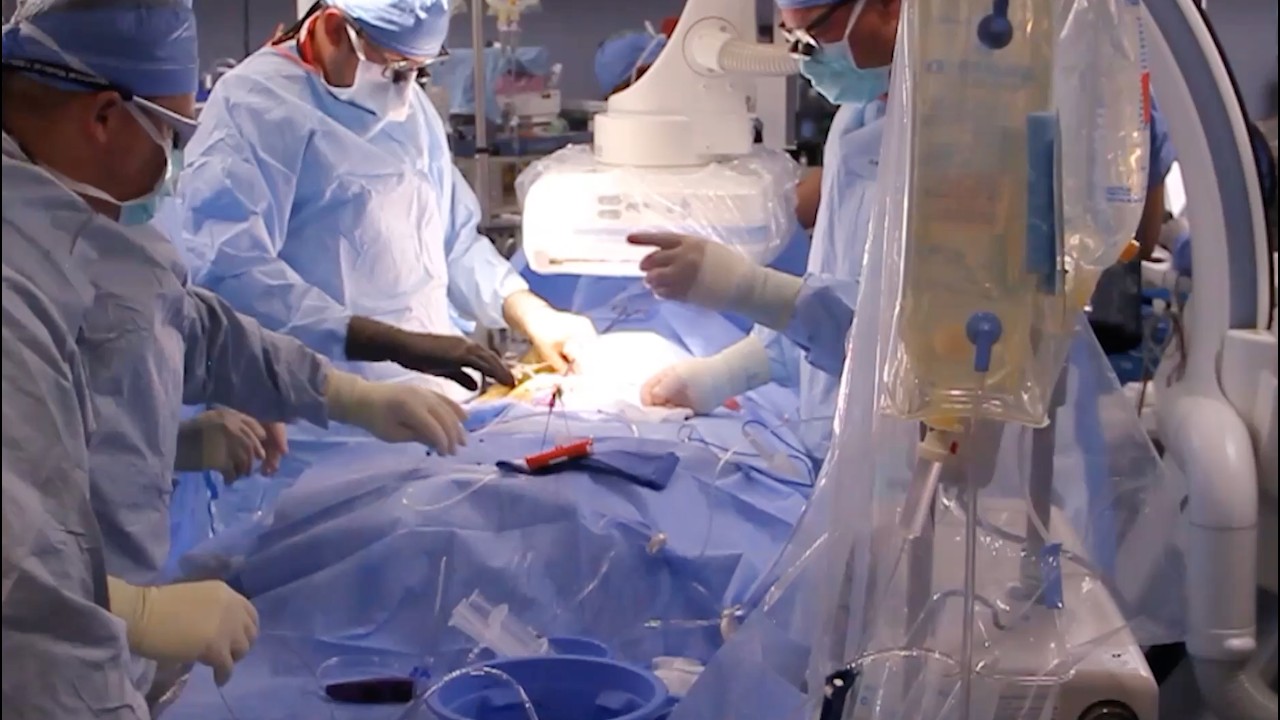
Dr. Himanshu Tandon and our TAVR team explain this innovative procedure and how it’s an alternative to open-heart surgery.
What are the Risks of TAVR?
Understanding the risks of TAVR helps you have informed, confident conversations with your care team before moving forward.
- Bleeding around the heart, and in rare cases, emergent open-heart valve surgery
- Blood clots, which may require blood-thinning medications after the procedure
- Coronary artery blockage, a rare complication where the new valve affects blood flow to the heart's arteries
- Infection, including a serious but rare condition called endocarditis affecting the new valve
- Kidney injury, particularly in patients with pre-existing kidney disease
- Pacemaker placement needed in some patients due to changes in the heart's electrical system
- Stroke, one of the more serious risks, occurring in a small percentage of patients
- Vascular complications, such as damage to the blood vessels used for catheter access
Your care team will review your risk profile thoroughly before recommending TAVR and take every precaution to minimize these risks throughout your procedure and recovery.
What to Expect
Knowing what lies ahead can make the entire experience feel far less overwhelming. Here's a step-by-step look at what you can expect before and after your TAVR procedure.
Before TAVR Procedure
Before your TAVR procedure, there’s an initial consultation with the TAVR coordinator, who will coordinate paperwork, dental clearance and required testing, such as an echocardiogram, a cardiac cath, a computed tomography (CT) scan and perhaps more.
You may have several pre-procedure meetings with the doctors involved. Finally, you’ll have an exam and discussion with a structural cardiologist.
How Long Does a TAVR Procedure Take?
A TAVR procedure typically takes one to two hours from start to finish. However, when you factor in preparation and recovery time, expect the entire process to take three to four hours total.
TAVR Procedure Recovery
Most patients go home the following afternoon. The procedure site is monitored and, in rare exceptions, a longer stay is preferable.
Cardiac rehab is recommended for TAVR patients, just as it is for heart attack survivors and stent or bypass patients. In fact, it’s even more important due to this population’s average age, increased frailty or limited functional capacity. Studies show proper exercise improves TAVR outcomes.
Cardiac rehab not only helps patients improve functional capacity but also teaches them how to more easily manage other cardiac risk factors. This includes medication management, lipid control, diet recommendations, stress/depression management, tobacco cessation, sugar control, weight loss, blood pressure monitoring and more.
Side Effects After TAVR Procedure
As with any cardiac procedure, TAVR can come with side effects. Most are manageable and temporary, but it's important to know what to watch for so you can communicate openly with your care team throughout recovery.
- Bleeding or bruising at the catheter insertion site
- Dizziness or fatigue in the days and weeks following the procedure
- Heart rhythm changes, which may require a temporary or permanent pacemaker
- Kidney function changes, particularly in the short term
- Low blood pressure during the recovery period
- Stroke or mini-stroke (TIA), a less common but serious risk
- Swelling in the legs or feet
- Valve leakage (paravalvular regurgitation), where small amounts of blood leak around the new valve
FAQs
TAVR valves are quite durable. Studies show stable performance in the majority of patients at the five- to 10-year mark. Long-term data beyond 10 years is still emerging.
If a TAVR valve eventually wears out, many patients are candidates for a second minimally invasive procedure — known as valve-in-valve TAVR — avoiding the need for open-heart surgery.
It takes a full team. At minimum, there are 10 care team members in the room, typically 14. This includes an open-heart surgeon, two to three structural cardiologists and a perfusionist, along with a team consisting of a scrub tech, X-ray tech, two nurses, a valve coordinator, an echocardiogram tech, an anesthesiologist and a valve clinical specialist.
The care team members present have specialized roles to ensure the procedure goes as planned.
Life expectancy after TAVR depends on your age, overall health and severity of your heart disease before the procedure. For many patients — especially those in otherwise good health — outcomes are strong and quality of life often improves after the procedure.
TAVR is typically recommended when aortic stenosis is severe, meaning the procedure itself is often life-extending. Talk to your care team about your individual outlook. They can give you a realistic idea based on your specific situation.
Medically Reviewed By

Richard Kettelkamp, DO
Interventional Cardiology, Structural Heart Disease Cardiology, Cardiology

Himanshu Tandon, MD
Cardiology, Interventional Cardiology