
Pneumonia

What Exactly is Pneumonia?
Pneumonia is an infection that settles deep in the lung tissue, including the air sacs or alveoli. This is what separates it from bronchitis, which only involves the windpipes.
When you have pneumonia, the infection causes the tiny air sacs to fill with fluid or pus, leading to symptoms like fever, cough and chest pain. Diagnosis is often confirmed by the severity of these symptoms and a chest X-ray that shows a shadow in the lung tissue.
What Does Pneumonia Feel and Sound Like?
If you think your persistent cough or shortness of breath is more than just a cold, knowing the telltale signs of pneumonia is important for getting timely care.
What Are the Symptoms of Pneumonia?
Pneumonia is usually suspected when you have a combination of the following:
- Chest pain
- Cough: Can sound wet or dry, a wet cough with colored phlegm (yellow, green, brown or with blood) usually indicates a bacterial infection
- Difficulty breathing
- High fever and chills
Can You Have Pneumonia Without a Fever?
Yes, you can have pneumonia without a fever or cough. In elderly people, symptoms may be subtle, such as having chills but no fever or struggling to bring up phlegm.
What Does Pneumonia Sound Like?
When your doctor listens to your lungs, they’re checking for specific sounds that signal fluid or infection:
- Bronchial breath sounds: A hollow sound heard over the infected area
- Rattles and crackles: Sounds like water or crackling due to fluid or phlegm moving through the air sacs
When to Worry About Pneumonia Symptoms
Seek urgent medical help if you notice any of these severe signs:
- High fever that doesn't respond to medication
- Difficulty breathing (breathing hard and fast) or severe chest pain
- If you're unable to eat or drink and become significantly dehydrated (particularly dangerous for children)
If you have a complex case, are immunocompromised or have serious underlying respiratory issues, you may need a pneumonia specialist, such as a pulmonologist. Talk to your doctor to ensure you receive the proper preventive care.
Pneumonia Severity Index
To determine how serious your case of pneumonia is, doctors use calculators like the Pneumonia Severity Index. This tool assesses multiple factors, such as vital signs and underlying health conditions, to determine your risk of complications.
Can You Die from Pneumonia?
While about 50% of pneumonia cases are treated in a clinic, pneumonia can be severe. About 10% of patients who are hospitalized with pneumonia can develop sepsis or respiratory failure.
How Do You Know if You Have Pneumonia?
Many cases are diagnosed clinically by a provider listening to your symptoms. In hospital settings, pneumonia is confirmed with a chest X-ray or CT scan, blood work and sometimes phlegm cultures.
What Can Cause Pneumonia?
Pneumonia often starts as a complication of another respiratory illness. These are common questions about sources you should know.
- Can a cold, the flu or bronchitis turn into pneumonia? Yes. These viral illnesses weaken the lungs, allowing a secondary bacterial infection to take hold. Influenza is a common cause of viral pneumonia.
- How do you get pneumonia in the summer? The infection spreads year-round. Atypical causes, like Legionella pneumonia (found in water systems, like hot tubs), are often the source of summer cases.
- Can mold cause pneumonia? Yes, exposure to mold or other agents can cause rare forms of fungal pneumonia in vulnerable people.
- What about pneumonia after surgery? This is often classified as hospital-acquired pneumonia because a patient's immune system and environment are different during a hospital stay.
Is Pneumonia Viral or Bacterial?
Pneumonia can be caused by either a virus or bacteria:
- Bacterial pneumonia: This can start abruptly or occur as a complication of a viral infection. It often produces a significant amount of phlegm. The classic type is pneumococcal pneumonia (Streptococcus pneumoniae).
- Viral pneumonia: This often starts as an upper respiratory infection, such as the flu or RSV, and moves into the lungs. It tends to produce less phlegm than bacterial types.
Types of Pneumonia
Pneumonia is classified based on what caused it and where the infection was acquired.
| Type | Definition & Cause |
|---|---|
| Community-acquired pneumonia (CAP) | The most common classification, including most types of pneumonia you get outside of a hospital setting. |
| Hospital-acquired pneumonia | Infections contracted after a hospital stay (often classified as pneumonia after surgery). |
| Aspiration pneumonia | Occurs when you inhale food, liquid, vomit or saliva into your lungs. Requires a risk factor, such as a neurological issue or loss of consciousness. |
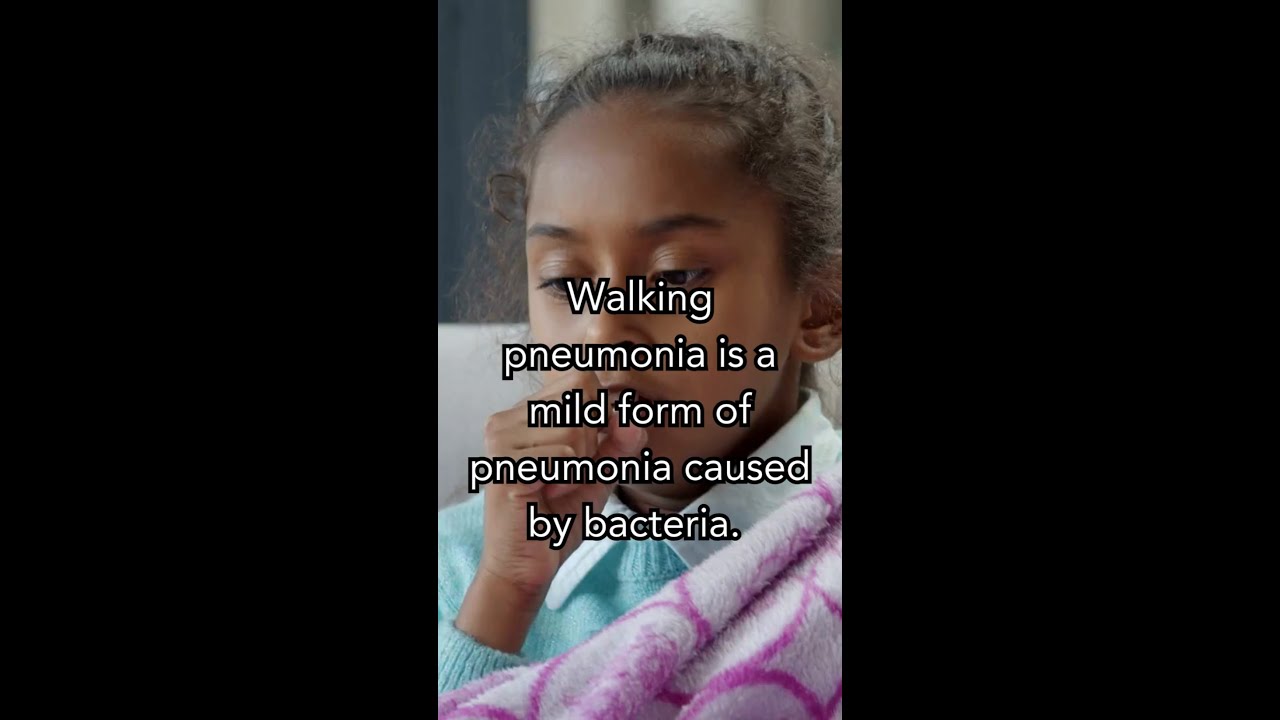
| Walking pneumonia | A milder form often caused by atypical organisms where symptoms aren’t severe enough to require hospitalization. It can linger for several weeks. |
| Atypical pneumonia | A CAP caused by unusual germs, like Legionella or Mycoplasma, which look and act differently than typical bacterial infections. |
| Double pneumonia | A layman's term for multifocal pneumonia, meaning both lungs are involved. |
| Necrotizing pneumonia | A severe infection where bacteria, particularly drug-resistant strains like MRSA, break down lung tissue. |
Pneumonia vs. Pneumonitis
While pneumonia is an infection, pneumonitis is purely inflammation of the lung tissue. Pneumonitis is typically caused by inhaling irritants (like gastric content), certain medications or radiation. Symptoms are usually subtle, including a dry cough or low-grade fever, and you likely won’t feel as severely ill as with bacterial pneumonia.
How is Pneumonia Spread?
Most bacterial pneumonias aren’t contagious, but viral pneumonia is highly contagious (caused by influenza, RSV or COVID-19 strains). Transmission occurs primarily through respiratory droplets released when an infected person coughs, sneezes or talks. You can also get it via direct contact, such as shaking hands or by touching contaminated surfaces and then touching your face.
Is Pneumonia Contagious After Antibiotics?
Once you’re on antibiotics for a bacterial infection, the contagious period ends quickly but continue to follow your provider's specific instructions.
Pneumonia Treatment Options
Treatment is determined by the severity and cause of the infection:
- Antibiotics: Anyone with confirmed bacterial pneumonia receives antibiotics. You should begin to feel better within 24 to 72 hours.
- Antivirals: May be used to minimize symptoms of certain viral pneumonias, such as Tamiflu for influenza.
- Oxygen therapy: Patients with severe pneumonia or respiratory failure may require oxygen therapy or a ventilator.
- Inhaler or nebulizer: Not routine unless the patient has a pre-existing condition like asthma or COPD.
How to Treat Pneumonia at Home
If your pneumonia is mild, the focus is on supportive care:
- Air purifiers and humidifiers are good for pneumonia as they can increase comfort
- Drink plenty of fluids to loosen up phlegm and prevent dehydration, which can worsen the illness
- Eat a nutritious, balanced diet
- Get plenty of rest
- Use over-the-counter fever reducers and cold compresses
How to Remove Fluid from the Lungs
The best way to remove phlegm is by coughing it up. However, if you develop pleural effusion, which is a fluid buildup in the sac outside the lung, this signifies a more severe case. If the effusion is significant, it must be physically drained using a tube in a hospital setting.
Does Pneumonia Go Away on its Own?
Pneumonia won’t go away on its own if caused by bacteria. It requires antibiotics. Viral pneumonia is treated with supportive care until the body fights off the virus.
Pneumonia Recovery Timeline
You should see signs that pneumonia is improving — such as a subsided fever and better breathing — within 72 hours of starting antibiotics. Recovery from routine cases usually progresses quickly, though walking pneumonia can linger for several weeks.
Can Pneumonia Come Back?
Yes, pneumonia can come back if it wasn't fully treated, if the wrong organism was targeted or if you have underlying health issues that make you vulnerable.
How to Prevent Pneumonia
When you're already sick, prevent a secondary infection by staying well hydrated, managing your fever and ensuring you get enough rest.
Pneumonia Vaccine Guidelines
The pneumococcal vaccine is recommended for all adults aged 65 and older and for those aged 19-64 with risk factors like heart failure, asthma, COPD or cancer. Side effects are typically mild, such as soreness or swelling at the injection site.
Medically Reviewed By

John Blamoun, MD
Pulmonology, Pulmonary Critical Care