
Why Am I Constipated? Underlying Causes of Chronic Constipation

Whether you’re suddenly straining every few days or have been managing a sluggish gut for months, chronic constipation affects your energy, comfort and appetite. Jaclyn Houseal, ARNP, UnityPoint Health, explains the mechanics of a healthy bowel and when a lack of movement warrants talking to your doctor.
What Does Constipation Feel Like?
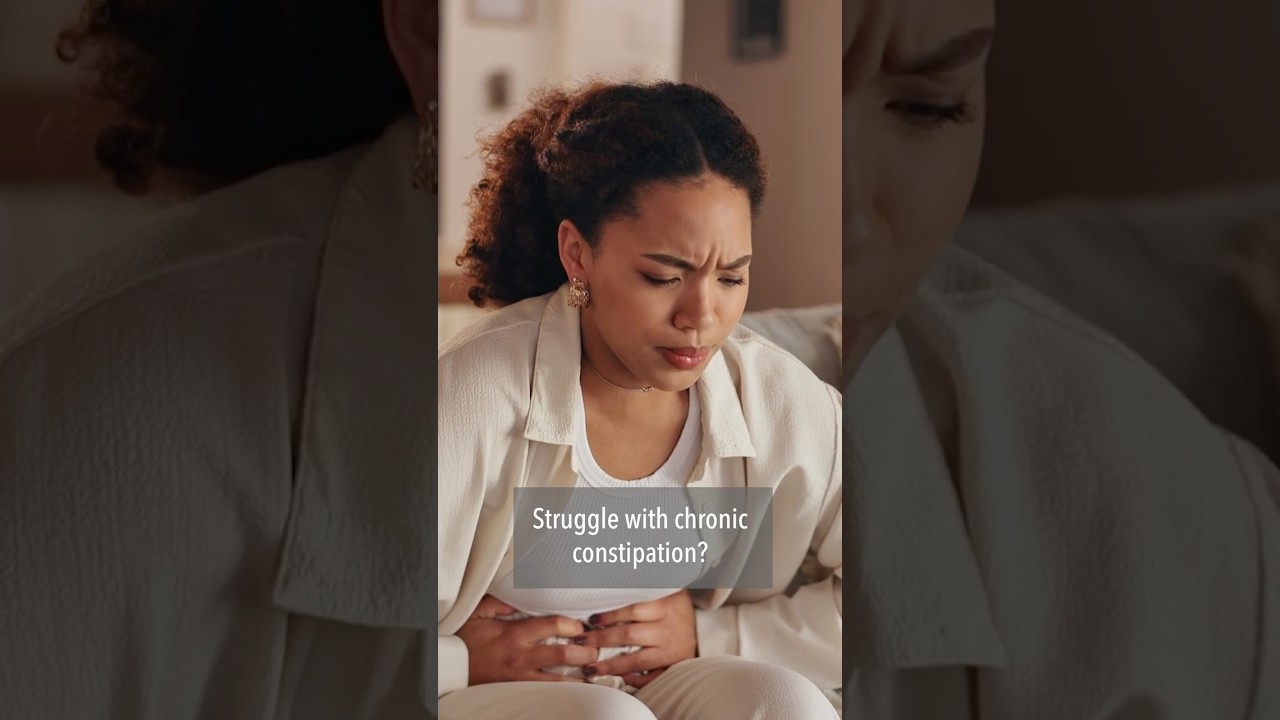
Knowing what constipation feels like can help you identify what’s causing your tummy troubles. While the biggest indicator is not having bowel movement or straining because of hard stools, there are several other aches and pains associated with being backed up.
You may first notice a lack of bowel movements and hard stools. These factors can lead to abdominal pain.
"If you get backed up enough, you can have nausea and even urinary symptoms, because the bowel is actually displacing the bladder," Houseal says.
Common chronic constipation symptoms include:
- Abdominal or pelvic pain: Sharp or dull, persistent discomfort.
- Bloating and nausea: Backup of stool and gas can create pressure in the stomach.
- Cramping: Colon muscles contract more intensely against hard stool.
- Excessive straining: Prolonged straining from constipation can lead to anal fissures or hemorrhoids — both causes of rectal bleeding.
- Incomplete emptying: Feeling like you haven’t fully emptied your bowels.
- Loss of appetite: Feeling full due to stool backup may reduce appetite.
Can Constipation Cause Other Pains?
Constipation can occasionally cause discomfort in other areas, such as back tension or mild headaches, usually due to straining or dehydration.
A backed-up bowel can put pressure on surrounding organs, too. This internal crowding often worsens acid reflux by pressing against the stomach and may contribute to urinary tract infections by compressing the bladder.
What Causes Chronic Constipation?
Chronic constipation is generally categorized into primary and secondary causes. Identifying which type applies to you is the first step toward achieving long-term relief.
Primary Causes of Constipation
"Primary constipation is usually a functional issue, like slow transit, where your gut isn’t moving stool efficiently," Houseal says.
When the gut is the source of the problem, it’s often due to:
- Colonic inertia: Condition where the colon moves stool through very slowly or barely at all.
- Mechanical obstruction: Physical issues, such as strictures or high anal tone, can make it difficult for stool to pass.
- Pelvic floor dysfunction: If the pelvic floor muscles can’t coordinate properly — for example, contracting when they should relax — you may not be able to fully empty your bowels.
Secondary Causes of Constipation
In this category, bowel changes are usually a symptom rather than the root problem.
“Secondary constipation happens when medications, underlying health conditions or structural changes affect bowel function," Houseal says.
Lifestyle and Neurological Factors that Cause Constipation
- Anxiety and stress: Chronic stress can influence gut motility through the nervous system, sometimes slowing or speeding up bowel movements.
- Dietary changes: Low fluid intake or sudden changes in fiber can slow transit. For people with slow-transit constipation, too much fiber without enough water may make stool harder to pass.
Medications and Supplements that Cause Constipation
Some medications are known to slow bowel movements:
- Antacids: Used to provide relief for heartburn and indigestion, those containing aluminum or calcium may slow the gut.
- Anticholinergics: Found in some allergy medications, antidepressants and overactive bladder treatments.
- Antinausea medications: Medications, like ondansetron, can slow bowel transit.
- Blood pressure medications: Some calcium channel blockers list constipation as a side effect.
- Opioids: Prescription pain medications block nerve signals in the gut, causing opioid-induced constipation.
Antibiotics primarily cause diarrhea. Constipation is less common. If constipation occurs, it’s often due to changes in gut motility, diet or bacterial changes. However, overgrowth of certain gut bacteria, known as small intestinal bacterial overgrowth (SIBO), can be a consequence of antibiotic use. SIBO, specifically methane-dominant SIBO (a byproduct of digestion), can cause constipation as methane acts on the bowel to slow down transit of stool.
Although NSAIDs don't commonly cause constipation, high doses can disrupt the protective nature of the gut lining, which can slow down digestion and cause constipation.
Vitamins or Supplements that Cause Constipation
Various supplements can influence how often you go. If you notice changes after starting a new regimen, take a look at the culprits in your cupboard:
- Calcium: High doses slow digestion in some people.
- Iron: A common reason behind supplement-related constipation and may result in dark-colored stool.
- Protein powders: Especially animal-based powders that are low in fiber, if fluid intake is low.
- Melatonin: At higher doses, it may slow gut motility, but this is rare.
Underlying Illnesses that Cause Chronic Constipation
When constipation is a symptom of another health issue, it’s usually tied to metabolic or neurological function, such as:
- Diabetes: Long-term high blood sugar can damage nerves controlling the digestive tract, sometimes slowing the colon.
- Hypercalcemia: Excess calcium in the blood can reduce bowel motility.
- Hypothyroidism: An underactive thyroid slows many bodily processes, including digestion.
- Neurological disorders: Conditions like Parkinson’s disease, multiple sclerosis (MS) or a spinal cord injury can interfere with signals between the brain and gut.
Structural Abnormalities in the Gut that Cause Chronic Constipation
Sometimes the issue is physical rather than chemical:
- Bowel obstructions: Scar tissue (adhesions) or tumors can physically block stool passage.
- Strictures: Narrowing of the colon, sometimes caused by inflammatory diseases like Crohn’s, can make it difficult to pass stool.
Underlying Digestive and Medical Conditions
Persistent constipation may be linked to:
- Hemorrhoids: Can worsen constipation due to painful bowel movements.
- Irritable bowel syndrome (IBS): Functional disorder causing constipation, diarrhea or both.
- Pregnancy: A growing fetus can slow bowel transit.
- Small Intestinal Bacterial Overgrowth (SIBO): Certain bacteria produce methane gas, which slows intestinal muscle contractions.
Is Constipation a Sign of Colon Cancer?
Many people with early-stage colon cancer don’t have any symptoms. This is why doctors look for specific red flags that suggest something more serious, other than just a slow digestive system.
Colon Cancer Warning Signs
According to Houseal, you should contact your doctor if you notice these more concerning symptoms:
- Anemia (iron deficiency), which can be a sign of hidden internal bleeding
- Blood in your stool
- Persistent vomiting
- Sudden, thin stool shape
- Unexplained weight loss
If your constipation is brand new, won't go away, or is paired with any of the signs above, it’s important to get it checked out to rule out any serious issues.
Home Remedies for Constipation
These home remedies for constipation can help relieve discomfort and promote regular bowel movements.
- Drink plenty of water. Other drinks that help with constipation include prune juice, fruit juices or coffee.
- Eat high-fiber foods such as apples (with skin), pears, broccoli, carrots and peas for constipation relief.
- Regular physical activity helps stimulate bowel motility.
- Try abdominal massage using the “I Love You” (I-L-U) method. Do clockwise strokes starting on the lower right side, moving up, across and down the left side of the abdomen to encourage stool movement.
When to Worry About Constipation
You should talk to your doctor if severe or chronic constipation symptoms persist for more than 3 to 6 months or if you experience:
- Blood in the stools
- Fever (uncommon, but can signal a secondary infection or rupture)
- Hard mass or bulge in the stomach (possible bowel obstruction)
- Sudden onset of severe abdominal pain
- Vomiting or severe nausea
"If you've already tried home therapies and haven't had success, or if you're not able to have a bowel movement at all, check in with us," Houseal says.
Medically Reviewed By

Jaclyn Houseal, ARNP
Family Medicine