
UnityPoint Health St. Luke's Hospital Witwer Children's Therapy - Hiawatha
Current Hours: 7:30 AM to 6:00 PM

Information
Number of patients waiting reflects the current number of patients waiting to be seen. This number changes frequently and is not exact.

About Us
Witwer Children’s Therapy has been serving the Cedar Rapids region and surrounding communities since 2012. Helping children and adolescents from birth to 21 years old, the team at Witwer prides itself in working closely with clients and their families to help them achieve their goals. Our team of providers are experts in their field and have a passion for providing a highly specialized, one-on-one therapy experience to meet children’s needs and enrich their lives today and in the years to come.
Our Services
Our pediatric specialists provide physical therapy, occupational therapy, speech therapy, and dietitian services for infants, children, adolescents, and young adults.
We believe in a collaborative approach—working closely with each child, their family, medical providers, and school teams when needed—to create highly individualized therapy plans that support meaningful progress toward personal goals.
Our team helps children navigate a wide range of developmental and functional challenges, including:
- Mobility and coordination difficulties
- Sensory processing and self-regulation
- Language development and social skills
- Handwriting and fine motor skills
- Attention Deficit Hyperactivity Disorder (ADD or ADHD)
- Autism
- Cerebral Palsy
- Developmental delay or developmental disabilities
- Down Syndrome
- Feeding/Swallowing difficulties
- Failure to thrive
- Hydrocephalus
- Language Development
- Language impairments such as stuttering, fluency
- Learning disorders
- Sensory Processing Disorder
- Spina Bifida
- Seizure disorders
- Torticollis and/or Plagiocephaly
- Traumatic brain injury
- Urinary incontinence and pelvic floor dysfunction
- Voice Impairments
Speech therapists help children build the communication skills they need to connect with others and navigate their world. Therapy may focus on both verbal communication (spoken language) and non-verbal communication, using a variety of evidence-based techniques tailored to each child’s needs.
Non-verbal communication includes skills like using gestures, facial expressions, body language, and picture-based systems (such as PECS) to express thoughts and needs—especially important for children who are not yet speaking or have limited verbal abilities.
Consider a referral to speech therapy if your child has difficulty:
- Communicating basic needs or wants
- Producing specific sounds (such as the “r” or “w” sound)
- Imitating sounds made by others
- Speaking first words after 18 months old
- Speaking in sentences after 36 months old
- Learning new words or phrases
- Being understood when speaking after 24 months old
- Changes or regression in communication (no longer using words or sentences they previously used)
- Understanding what others say or following directions
- Difficulty with fluency of speech such as stuttering, repeating sounds or words, or getting “stuck” when trying to speak
- Voice quality (such as hoarse, nasal, or strained speech)
- Social communication skills, such as taking turns in conversations, staying on topic or understanding tone of voice and facial expressions
- Executive functioning skills such as organization, planning, and problem solving
Our team also includes clinicians who are dual certified as Speech-Language Pathologists and dyslexia specialists, providing comprehensive support for children with reading and language challenges
Physical therapists work with children to develop, restore, or improve mobility so they can confidently engage with their environment.
This may include building strength, improving flexibility, enhancing balance and stability, refining movement patterns, and easing pain. These skills support children in everyday activities such as walking, climbing stairs, playing, and participating in school or community settings.
Our physical therapy team also partners with families to identify supportive routines and strategies that can be used at home or in daily life. They collaborate with medical providers, educators, and caregivers to recommend modifications and ensure each child has the tools they need to move, grow, and thrive.
Additionally, physical therapists can help identify equipment needs—such as positioning supports or mobility aids—and assist families in obtaining the right tools to promote comfort, safety, and independence at home.
Consider a referral to physical therapy if your child:
- Is not meeting age appropriate milestones for rolling, sitting, crawling, or walking
- Demonstrates atypical walking, such as walking on their toes
- Falls or stumbles frequently
- Has a preference to look to one side, or you feel their head shape is uneven
- Has had an injury to a bone, muscle, or area of the body
- Has trouble with coordination such as catching/throwing
- Has challenges with running or jumping
Occupational therapy clinicians support children in gaining independence with everyday activities that are essential for functioning and thriving.
They help children develop fine motor control and coordination, address sensory processing challenges, enhance visual processing skills, build strength, and increase body awareness. These skills are foundational for tasks such as dressing, feeding, writing, playing, and participating in school routines.
In addition to working directly with children, our clinicians partner with families to identify practical routines and strategies that can be put in place at home or in the community. They also recommend modifications to environments or tasks to help each child succeed in their unique daily life.
Consider a referral to occupational therapy if your child has difficulty with:
- Activities of daily living such as brushing their teeth, bathing/toilet hygiene, getting dressed or tying their shoes
- Fine motor skills such as: holding a pencil, coloring/drawing, handwriting, picking items up
- Following objects with their eyes, finding objects, recognizing letters or numbers, eye contact
- Eating or picky eating including avoiding certain foods or textures, difficulty with drinking or using a cup/straw
- Sustained attention
- Learning challenges including trouble concentrating or completing schoolwork, easily distracted, difficulty following instructions
- Social interactions including difficulty engaging or connecting with family and peers, adapting to new environments
- Sensory experiences such as unexpected reactions to sound, touch or movement, reactive, inability to calm or soothe self when upset
- Self-regulation such as ability to manage stress and emotions
Nutrition services are available to support children receiving therapy at Witwer when dietary needs are identified.
If a provider or therapist recognizes that a child may benefit from nutritional support—such as help with growth, feeding challenges, or dietary restrictions—our registered dietitian collaborates with families to create individualized plans that complement therapy goals. The dietitian works closely with parents and caregivers to determine each child’s unique nutritional needs.
Nutrition assessments often occur alongside feeding therapy provided by occupational or speech-language therapists. During an assessment, the dietitian gathers a detailed food history, reviews medications, and discusses nutrition concerns raised by parents, caregivers, or primary care providers. They also address feeding difficulties and provide education on topics such as balanced diets, increasing specific nutrients, and managing issues like constipation or voiding challenges that may be related to food. For children with more complex needs, the dietitian can assist with tube feeding plans and related equipment recommendations.
Specialty Services
Animal Assisted Therapy is a fun and supportive program for children ages 3 and up who benefit from extra help with communication, motor, social, or sensory skills. Sessions may be individual or in small groups, allowing each child to learn at their own pace while also practicing teamwork with peers.
Therapy animals (dogs) provide encouragement and motivation, making therapy tasks more enjoyable. With guidance from Occupational Therapists, Physical Therapists, and Speech-Language Pathologists, children can work on a variety of goals, including:
- Communication and language skills
- Problem-solving and cognitive development
- Strength, coordination, balance, mobility, and flexibility
- Fine motor and self-help skills
- Sensory processing and regulation
- Social interaction, turn-taking, and teamwork
Group sessions also give children opportunities to practice communication, observe peer modeling, and build friendships in a supportive environment. Animal Assisted Therapy groups are offered several times throughout the year, typically running for 6-10 weeks at the southwest clinic location.
Aquatic therapy sessions are offered several times per year, generally last 6-10 weeks, and are currently held at a local, off-site location.
A concussion is a type of head injury that can happen from something as simple as a bump on the head or something more serious like a sports injury or car accident. No matter how it occurs, a concussion can lead to symptoms that show up right away—or even days or weeks later. These may include headaches, nausea or vomiting, dizziness, balance problems, confusion, memory issues, mood changes, sensitivity to light or sound, and fatigue.
These symptoms can significantly affect a child’s daily life, including their ability to learn, play, and participate in activities. At Witwer Children’s Therapy, our physical and occupational therapists are trained to assess how these symptoms impact your child and create a personalized treatment plan. We work closely with your child’s primary care provider to offer education, activity modifications, and therapeutic interventions that support recovery and help your child feel like themselves again.
Concussion management services are available at all Witwer locations.
Vestibular issues—such as dizziness or balance problems—can occur with or without a concussion. Children may not always be able to describe these symptoms, but caregivers might notice signs like frequent stumbling, unsteadiness, or complaints of feeling “off.”
If you have concerns, we recommend speaking with your child’s primary care provider to see if vestibular rehabilitation may be helpful. At Witwer Children’s Therapy, our physical therapists have specialized training in pediatric vestibular therapy to help children improve balance, confidence, and participation in everyday activities.
Witwer clinicians have advanced training in feeding therapy and picky eating. Our goal is to help children build positive experiences with a wide variety of foods that support healthy growth and development throughout their lives.
Feeding challenges may include difficulty with breast or bottle feeding, concerns about swallowing (dysphagia), trouble transitioning to table foods, or picky eating related to sensory sensitivities or oral motor skill delays. Children referred to our feeding program will be evaluated by an occupational or speech therapist, who will work closely with our dietitian to create a customized plan of care.
For children with more complex feeding needs, Witwer partners with radiology at St. Luke’s Hospital to perform video swallow studies. These studies help assess swallowing function in greater detail and guide safe, effective treatment planning.
Feeding and picky eating services are available at all Witwer locations.
Food Explorers
At Witwer Children’s Therapy, we also offer a specialized feeding program called Food Explorers. In this 10-week program, children are paired one-on-one with an Occupational or Speech Therapist to engage in feeding therapy sessions with their peers, allowing for increased social participation while engaging with new foods. These sessions also include intermittent caregiver education sessions with our dietitian to compliment what our patients are learning during the Food Explorers sessions.
Providers at this Location
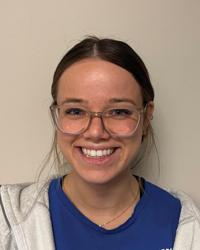
Carsyn W., MA, CCC-SLP
Pediatric Speech-Language Pathology

Megan Van Laar, MA, CCC-SLP
Pediatric Speech-Language Pathology

Lexi Shaffer, PT, DPT
Pediatric Physical Therapy

Lindsey R., MA, CCC-SLP
Pediatric Speech-Language Pathology

Brittany S., MOT, OTR/L
Pediatric Occupational Therapy

Brittney B., MA, CCC-SLP
Pediatric Speech-Language Pathology

Renee H., MA, CCC-SLP
Pediatric Speech-Language Pathology
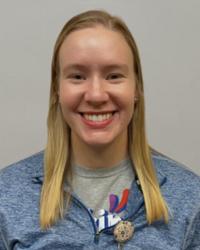
Rylee Diedrich, OTR/L
Pediatric Occupational Therapy

Maddie K., OTA
Pediatric Occupational Therapy

Mackinzie C., MS, OTR/L, CLC
Pediatric Occupational Therapy

Emily Robins, OTR/L, CLC, CPST
Pediatric Occupational Therapy

Alisa Foxhoven, PT, DPT
Pediatric Physical Therapy

Zoe Hornback, MS, CCC-SLP, CLC
Pediatric Speech-Language Pathology
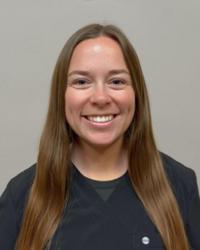
Janessa DeWees, MA, CCC-SLP
Pediatric Speech-Language Pathology

Jen B., RD, LD
Pediatric Dietetics
Photo Tour
Frequently Asked Questions
Patient Resources: Milestones
These guides from Witwer Children's Therapy walk through key developmental milestones from birth through the early school years. Learn what skills to expect at each age and when it may be time to talk to your child's doctor about a referral for occupational, physical or speech therapy.